The Crispy Secret of Deep-Fried Beancurd Rolls – A Comprehensive Guide from Oil Temperature to Heat Control
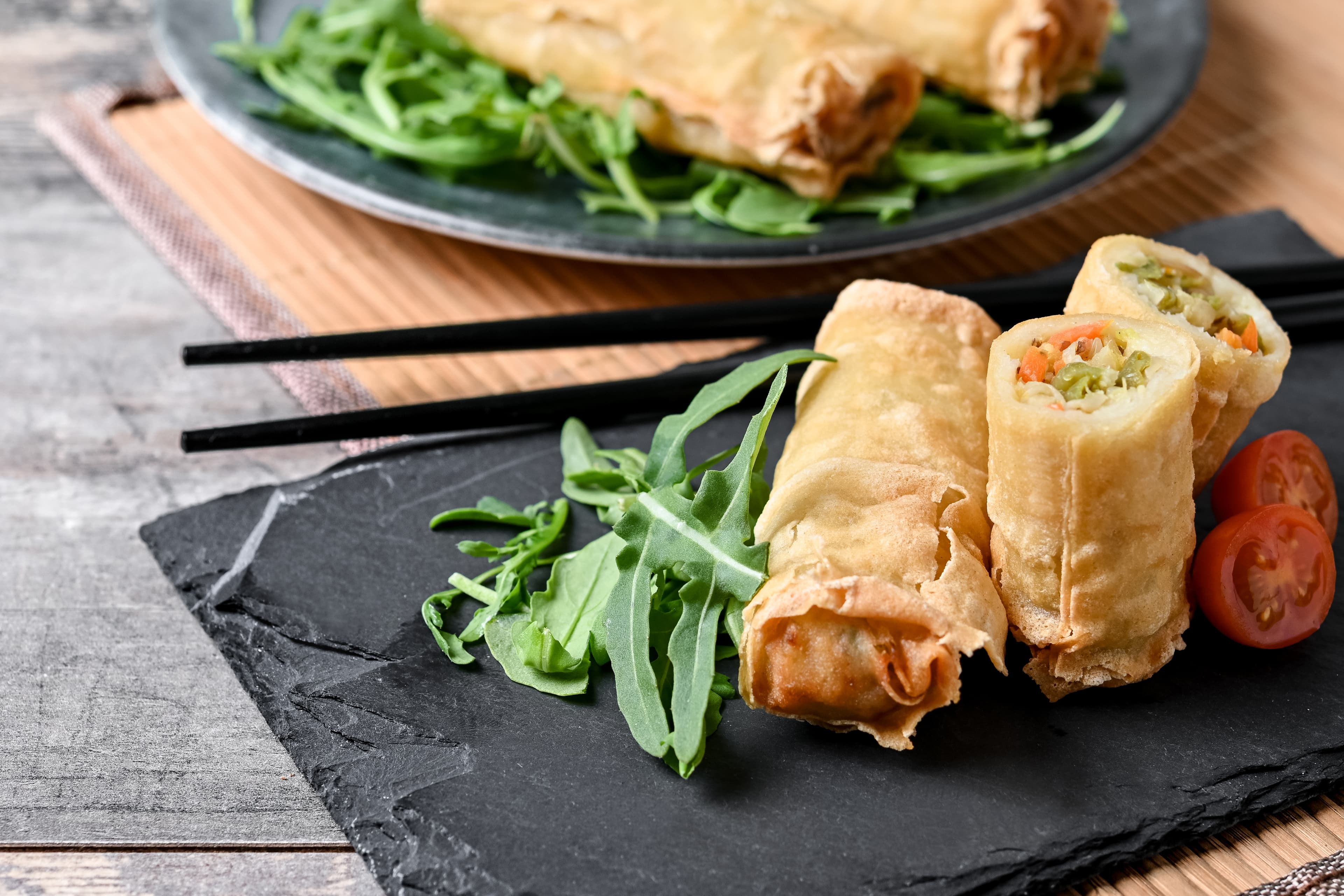
Among the many ways to prepare beancurd rolls, deep-frying is undoubtedly the most beloved. The golden, crispy exterior, the satisfying "crackle" sound when you bite into it, and the striking contrast with the savory, juicy filling—this dual texture of crispiness outside and tenderness within has captivated countless people. So, where does the charm of deep-fried beancurd rolls come from? Let's explore from both scientific and culinary perspectives.
Part 1: What Makes Deep-Fried Beancurd Rolls So Irresistible?
Among the many ways to prepare beancurd rolls, deep-frying is undoubtedly the most beloved. The golden, crispy exterior, the satisfying "crackle" sound when you bite into it, and the striking contrast with the savory, juicy filling—this dual texture of crispiness outside and tenderness within has captivated countless people. So, where does the charm of deep-fried beancurd rolls come from? Let's explore from both scientific and culinary perspectives.
The magic of the Maillard reaction: When beancurd rolls are placed in hot oil, the high heat triggers the Maillard reaction—a complex chemical reaction between amino acids and reducing sugars in food when heated. This reaction gives food its golden color and distinctive aroma. The enticing golden hue and rich fragrance of deep-fried beancurd rolls are the work of the Maillard reaction. This reaction occurs rapidly at high temperatures, delivering both visual and olfactory pleasure.
The dramatic change in moisture: Beancurd skin itself has relatively low moisture content, but the filling wrapped inside contains abundant moisture. When the rolls enter the hot oil, the moisture in the outer layer of beancurd skin evaporates quickly, forming a crispy texture. At the same time, the high heat seals the moisture inside the filling, keeping it in optimal condition. This drastic difference in moisture between the exterior and interior is what creates the unique crispy-on-the-outside, tender-on-the-inside texture.
The flavor-enhancing role of oil: Proper oil not only transfers heat but also imparts a unique aroma to food. When deep-frying beancurd rolls, the oil seeps into the pores of the beancurd skin, blending with the bean aroma of the skin and the savory fragrance of the filling to create richer layers of flavor. This is why deep-fried beancurd rolls always smell and taste more enticing than their steamed or boiled counterparts.
Layered temperature experience: Freshly deep-fried beancurd rolls have an extremely hot exterior and a moderately warm interior. This temperature contrast enhances the eating experience. Taking that first careful bite, you feel the intense heat and crispiness of the outer layer, immediately followed by the warmth and savoriness of the filling. This variation in temperature makes every bite full of surprise.
Part 2: The Art of Controlling Oil Temperature for Deep-Fried Beancurd Rolls
Deep-frying beancurd rolls may seem simple, but many details require attention. Among them, controlling the oil temperature is the most critical factor.
The ideal oil temperature range: The ideal oil temperature for deep-frying beancurd rolls is approximately 160–170°C (320–340°F). This temperature range allows the beancurd skin to set quickly, forming a crispy exterior while ensuring the filling cooks through evenly. If the oil temperature is too low, the skin will absorb excess oil, becoming greasy rather than crispy. If the oil temperature is too high, the exterior容易 burns while the interior remains undercooked.
How to gauge oil temperature: If you don't have a thermometer, there are simple ways to estimate the temperature. Insert a chopstick into the oil; if small, even bubbles rapidly form around it, the temperature is likely around 160–170°C. You can also test with a small piece of beancurd skin: if it quickly floats to the surface and starts bubbling without immediately changing color, the temperature is suitable.
Maintaining oil temperature stability: During frying, the oil temperature drops when ingredients are added. Therefore, avoid adding too many rolls at once to prevent a sudden temperature drop. Fry in batches, allowing the oil time to recover between batches to ensure each batch achieves the desired result. As a rule of thumb, the number of rolls added at one time should not exceed half the surface area of the oil.
Adjusting oil temperature across stages: The oil temperature can be fine-tuned at different stages of frying. When first adding the rolls, keep the oil slightly hotter to quickly set the exterior. After they are set, reduce the temperature slightly to allow the heat to penetrate slowly and cook the filling thoroughly. In the final stage, raise the temperature again to expel excess oil and make the exterior even crispier. This staged temperature control requires experience and skill but yields the highest quality fried beancurd rolls.
Part 3: Mastering Heat Control for Deep-Fried Beancurd Rolls
Beyond oil temperature, heat control is equally important. The following tips will help you achieve perfect deep-fried beancurd rolls.
The importance of preheating: If using frozen beancurd rolls, let them sit at room temperature for 5–10 minutes before frying to allow the surface to thaw slightly. This prevents the skin from cracking due to extreme temperature differences. If using refrigerated rolls, they can be added directly, but the frying time may need to be slightly reduced.
How to add rolls to the oil: When adding beancurd rolls, gently slide them in along the edge of the pan to avoid splashing hot oil. After adding, do not move them immediately; let the exterior set for about 30 seconds to 1 minute before gently turning to ensure even heating on all sides.
Frequency of turning: During frying, turn the rolls as needed to ensure even heating on all sides. However, turning too frequently can interfere with the formation of the crispy exterior. Generally, fry each side for 2–3 minutes before turning, flipping the rolls 2–3 times total. When the rolls achieve a uniform golden color and appear slightly puffed, they are nearly ready.
Knowing when to remove: Determining the right time to remove fried beancurd rolls from the oil requires experience. Generally, when the exterior is uniformly golden and feels crispy when touched with tongs, they are ready. If you prefer an extra crispy texture, fry for about 30 seconds longer, but be careful not to overcook. After removing, it's best to drain the rolls on a wire rack rather than directly on paper towels, as trapped steam can soften the crispy exterior.
The double-frying technique: To achieve restaurant-level extreme crispiness, try double-frying. First, fry the rolls at a lower temperature (about 150°C / 300°F) until about 80% cooked, remove, drain, and let rest for 5 minutes. Then, increase the oil temperature to 180°C (355°F) and fry the rolls again quickly for about 30 seconds to 1 minute until the exterior is golden and crispy. This double-frying method helps expel excess oil while making the exterior even crispier.
Part 4: Dipping Sauce Pairings and Serving Suggestions
Deep-fried beancurd rolls are elevated to another level when paired with suitable dipping sauces. Here are several classic and creative sauce recommendations.
Classic Worcestershire sauce: Worcestershire sauce is the most traditional dipping sauce for deep-fried beancurd rolls. Its sweet, sour, and slightly spicy profile balances the greasiness of the fried food while highlighting the aromas of the beancurd skin and filling. Dipping a crispy roll into a little Worcestershire sauce—the combination of sweet-sour and crispy—is the most classic and beloved way to enjoy them.
Sweet chili sauce: Thai-style sweet chili sauce is another popular choice. Its pronounced sweetness, mild spiciness, and garlic notes pair beautifully with fried beancurd rolls. Especially on hot days, this sweet and slightly spicy dip makes the fried food taste lighter and more appetizing.
Garlic soy sauce: Finely mince garlic and mix with soy sauce, a little sugar, and sesame oil to create a simple yet delicious garlic soy sauce. This dip has a rich garlic aroma and savory soy sauce flavor, adding a different layer of taste to the rolls. For those who enjoy spice, add a little chopped chili for an extra kick.
Pepper salt: For a simple approach, prepare a small dish of pepper salt. Dipping the fried rolls into a little pepper salt enhances their natural flavor with a savory, slightly spicy note. This pairing is especially popular as a snack with beer.
Creative dipping sauces: Beyond classic options, try some creative pairings. Mix mayonnaise with Sriracha sauce for a mildly spicy mayo dip. Or combine peanut butter, soy sauce, vinegar, and chili oil for a Southeast Asian-style peanut sauce. These creative dips bring different flavor experiences to deep-fried beancurd rolls, making each time a fresh delight.
Part 5: Storage and Reheating Tips for Deep-Fried Beancurd Rolls
If you can't finish all your deep-fried beancurd rolls at once, proper storage and reheating techniques can help restore them to near-freshly-fried deliciousness.
Cooling and storage: Allow fried beancurd rolls to cool completely on a wire rack before transferring to an airtight container for refrigeration. Avoid sealing them while still warm, as trapped steam will soften the crispy exterior. For longer storage, place cooled rolls in the freezer and reheat when needed.
Oven reheating: This is the most recommended reheating method. Place refrigerated or frozen beancurd rolls in an oven preheated to 180°C (355°F) and heat for about 5–8 minutes (10–12 minutes for frozen) until the exterior becomes crispy again. This method restores the rolls to a texture close to freshly fried—crispy on the outside, tender within.
Air fryer reheating: An air fryer is also an excellent option. Place the rolls in the air fryer and cook at 180°C (355°F) for about 3–5 minutes, depending on quantity, flipping once halfway through. The air fryer quickly expels excess moisture, restoring the crispy exterior.
Pan reheating: If you don't have an oven or air fryer, a frying pan can work. Add a little oil to the pan and fry the rolls over medium-low heat until heated through and the exterior is crispy on both sides. While this method is slightly less effective than oven reheating, it still yields good results.
Microwave reheating—a note of caution: Avoid reheating deep-fried beancurd rolls in the microwave whenever possible. Microwaves cause moisture to vibrate intensely, making the exterior soft and chewy rather than crispy. If you have no other option, after microwaving, briefly pan-fry the rolls to salvage some crispiness.